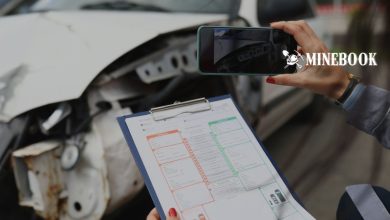
Damage claim sets the stage for this enthralling narrative, offering readers a glimpse into a story that is rich in detail and brimming with originality from the outset. In the world of insurance and legal proceedings, the concept of damage claims plays a crucial role in seeking compensation for various types of losses.
Overview of Damage Claims
A damage claim refers to the process of seeking compensation for losses or injuries sustained due to the actions or negligence of another party. This can occur in various contexts, such as insurance claims or legal proceedings.






The primary purpose of filing a damage claim is to recover the financial losses incurred as a result of the damage or injury. It serves as a means of holding the responsible party accountable and obtaining compensation to cover medical expenses, property damage, lost wages, or other related costs.
Examples of Situations Requiring Damage Claims
- Car Accidents: In the event of a car accident caused by another driver, the victim may file a damage claim to seek compensation for vehicle repairs, medical bills, and other related expenses.
- Property Damage: If a property is damaged due to natural disasters, vandalism, or other causes, the property owner may file a damage claim with their insurance company to cover the repair or replacement costs.
- Personal Injury: In cases where an individual suffers injuries due to the negligence of another party, such as slip and fall accidents or medical malpractice, a damage claim can help cover medical treatment, rehabilitation, and other associated expenses.
Types of Damage
When it comes to damage claims, there are several types of damage that can lead to a claim. Each type of damage is assessed and quantified differently based on the circumstances surrounding the claim. Below are some common types of damage that may be included in a claim along with examples of scenarios for each:
Property Damage
Property damage refers to any harm or destruction caused to physical property such as buildings, vehicles, or personal belongings. This type of damage is typically assessed based on the cost of repairs or replacement of the damaged property. For example, if a car is involved in an accident and sustains damage to its body, the repair costs would be considered when quantifying the property damage for a claim.
Personal Injury
Personal injury pertains to physical harm or injury suffered by an individual due to the negligence or actions of another party. Assessing personal injury damage involves considering medical expenses, pain and suffering, lost wages, and future medical needs. For instance, if someone slips and falls in a store due to a wet floor that wasn’t properly marked, the medical bills and other related expenses would be factored into the claim for personal injury.
Emotional Distress
Emotional distress refers to the psychological impact and suffering experienced by an individual as a result of a traumatic event or wrongful actions of another party. Quantifying emotional distress can be challenging as it involves assessing the mental anguish and trauma experienced by the individual. For example, if someone witnesses a loved one being injured due to medical malpractice, the emotional distress resulting from the incident would be considered when evaluating the claim.
Process of Filing a Damage Claim
When it comes to filing a damage claim, following a step-by-step process and ensuring you have all the necessary documentation can make the process smoother and more efficient.
Step-by-Step Process
- Notify the relevant party: Inform the responsible party for the damage, whether it’s an insurance company, landlord, or service provider.
- Document the damage: Take photos or videos of the damage as evidence to support your claim.
- Fill out a claim form: Complete the necessary paperwork provided by the responsible party to officially file your claim.
- Submit supporting documents: Include any relevant receipts, estimates, or other documentation to strengthen your claim.
- Follow up: Stay in touch with the responsible party to track the progress of your claim and provide any additional information if needed.
Documentation Required
- Proof of ownership: Provide documents showing ownership of the damaged property.
- Receipts and estimates: Include any receipts for repairs or estimates for the cost of damage repair.
- Police reports: If the damage is due to a criminal act, a police report may be required.
- Communication records: Keep records of all communication related to the damage claim, such as emails or phone calls.
Tips for Streamlining the Claims Process
- Act promptly: Notify the responsible party and file your claim as soon as possible after the damage occurs.
- Organize your documents: Keep all relevant documents in one place to easily access them when needed.
- Be thorough: Provide detailed information and documentation to strengthen your claim.
- Follow up: Stay proactive and follow up with the responsible party to ensure your claim is processed efficiently.
Legal Aspects of Damage Claims
When filing a damage claim, there are important legal implications that individuals need to consider. Understanding the legal framework surrounding damage claims is crucial to ensure a smooth and successful process.
Role of Insurance Companies and Legal Professionals
Insurance companies play a significant role in handling damage claims. They assess the extent of the damage, investigate the circumstances surrounding the incident, and determine the coverage provided under the policy. Legal professionals, such as lawyers specializing in personal injury or property damage, can also assist in navigating the legal complexities of a damage claim.
Common Legal Challenges
- Proving Liability: One of the main legal challenges in damage claims is establishing liability. This involves demonstrating that the party responsible for the damage should be held accountable.
- Negotiating with Insurance Companies: Insurance companies may sometimes dispute the extent of the damage or the coverage provided, leading to challenges in negotiation and settlement.
- Statute of Limitations: Each state has a statute of limitations that dictates the time within which a damage claim must be filed. Missing this deadline can result in the claim being barred.
- Complex Legal Procedures: The legal process involved in filing a damage claim can be complex and overwhelming for individuals without legal expertise. Seeking assistance from legal professionals is often necessary to navigate these procedures effectively.
Assessing Damage and Loss
When filing a damage claim, it is crucial to accurately assess the extent of damage and loss incurred. This assessment plays a key role in determining the amount of compensation that will be paid out to cover the damages.
Methods of Assessing Damage and Loss
There are several methods used to assess damage and loss, depending on the type of damage and the affected property. Some common approaches include:
- Physical inspection by trained professionals to visually assess the damage.
- Utilization of specialized tools and equipment such as moisture meters, infrared cameras, and drones for detailed inspections.
- Documentation of damage through photographs, videos, and written reports to provide a comprehensive overview.
Importance of Accurate Assessment
Accurate assessment of damage is vital as it ensures that the claimant receives fair compensation that adequately covers the losses incurred. A precise evaluation also helps in expediting the claim process and resolving disputes efficiently.
Tools and Technologies for Damage Assessment
Advancements in technology have led to the development of tools and technologies that enhance the accuracy and efficiency of damage assessment. Some examples include:
- LiDAR (Light Detection and Ranging) technology for detailed 3D mapping of damaged areas.
- X-ray and thermal imaging for identifying hidden damages in structures.
- Computer software for estimating repair costs and creating digital models of damaged properties.
Negotiating Damage Claims
When negotiating a damage claim, it is crucial to have a clear understanding of the process and strategies involved in reaching a fair settlement. This involves effective communication, advocacy, and negotiation skills to ensure that you are properly compensated for the damages incurred.
Strategies for Negotiating a Fair Settlement
- Document all evidence: Make sure to gather all relevant documentation, including photos, receipts, and repair estimates, to support your claim.
- Know your rights: Familiarize yourself with your insurance policy and understand the coverage and limits to negotiate effectively.
- Be prepared to negotiate: Set a realistic expectation for the settlement amount and be prepared to negotiate with insurance adjusters or legal representatives.
- Consider hiring a professional: If you feel overwhelmed or unsure about negotiating, consider hiring a public adjuster or attorney to represent you.
Common Tactics Used in Negotiations
- Lowball offers: Insurance adjusters may initially offer a lower settlement amount to test your knowledge and willingness to negotiate.
- Delay tactics: Some adjusters may prolong the negotiation process to pressure you into accepting a lower settlement out of frustration.
- Disputing liability: Insurers may try to shift blame or dispute liability to reduce the amount of compensation owed.
Effective Communication and Advocacy Tips
- Stay calm and composed: Maintain a professional demeanor during negotiations to convey confidence and assertiveness.
- Clearly articulate your damages: Provide detailed explanations and evidence of the damages suffered to justify your claim.
- Be persistent: Don’t be afraid to push back against unfair offers and stand firm on your position to secure a fair settlement.
- Seek guidance if needed: Consult with a legal professional or advocate for assistance in navigating the negotiation process effectively.
Receiving Compensation
Receiving compensation is a crucial aspect of the damage claim process as it aims to provide financial relief to the affected party. Different forms of compensation may be awarded depending on the nature and extent of the damage incurred.
Forms of Compensation
- Monetary compensation: This is the most common form of compensation awarded in damage claims. It involves a monetary payment to cover the costs associated with the damage, such as repair or replacement expenses.
- Non-monetary compensation: In some cases, non-monetary compensation may be awarded, such as services, products, or vouchers to compensate for the damage suffered.
- Punitive damages: In situations where the damage was caused by intentional or reckless behavior, punitive damages may be awarded to punish the responsible party and deter similar actions in the future.
Factors Affecting Compensation Amount
- Extent of damage: The severity and extent of the damage incurred will greatly influence the amount of compensation awarded.
- Evidence provided: The strength of the evidence presented to support the damage claim can impact the compensation amount, as clear documentation can substantiate the claim.
- Negotiation skills: The ability to negotiate effectively with the insurance company or responsible party can also affect the final compensation amount received.
Timelines for Receiving Compensation
- Approval process: Once a damage claim is approved, the timeline for receiving compensation can vary. It typically takes a few weeks to a few months for the compensation to be processed and disbursed.
- Legal proceedings: If the damage claim involves legal proceedings, the timeline for receiving compensation may be longer due to court processes and hearings.
- Settlement negotiations: In cases where settlement negotiations are involved, the timeline for receiving compensation will depend on reaching a mutually agreed-upon settlement amount.
Resolving Disputes and Appeals
In the process of filing a damage claim, disputes may arise regarding the assessment of damage, the amount of compensation offered, or other related issues. It is important to understand how to resolve these disputes and know the options available for appealing a claim decision if needed.
Resolving Disputes
- Communication: Open and clear communication with the insurance company or the party responsible for the damage is essential to address any disputes.
- Evidence: Providing relevant evidence such as photos, receipts, or expert assessments can help support your claim and resolve disputes.
- Mediation: In cases where disputes cannot be resolved directly, seeking mediation or arbitration can be a useful alternative to settle the matter.
Appealing a Claim Decision
- Review Process: Understand the review process for appealing a claim decision, including the timelines and documentation required.
- Legal Assistance: Seeking legal advice or representation can be beneficial when appealing a claim decision, especially if complex legal issues are involved.
- Formal Appeal: Follow the formal appeal process outlined by the insurance company or relevant authorities to present your case effectively.
Successful Dispute Resolution Strategies
- Negotiation: Engaging in constructive negotiations with the other party or their representatives can often lead to a mutually acceptable resolution.
- Compromise: Being open to compromise and finding common ground can help in resolving disputes amicably and efficiently.
- Documentation: Keeping detailed records of all communications, assessments, and agreements can provide a strong foundation for dispute resolution.
Impact of Damage Claims
Damage claims can have far-reaching effects on individuals, businesses, and insurance companies. Understanding the broader impact of these claims is crucial for all parties involved.
Impact on Insurance Coverage and Premiums
When individuals or businesses file damage claims, it can impact their future insurance coverage and premiums. Insurance companies may view a history of claims as a higher risk, leading to potential increases in premiums or even denial of coverage. It is essential to manage damage claims carefully to avoid negative consequences on insurance options.
Managing Aftermath of Damage Claims
- Stay organized: Keep detailed records of all communication, documentation, and expenses related to the damage claim.
- Communicate effectively: Maintain open communication with insurance companies, adjusters, and other parties involved to ensure a smooth process.
- Seek professional advice: Consider consulting with legal or insurance professionals to navigate the complexities of damage claims and protect your interests.
- Follow up: Stay proactive in following up on the progress of the claim and addressing any issues promptly.
Emerging Trends in Damage Claims
As technology and environmental factors continue to evolve, the landscape of damage claims is also undergoing significant changes. New trends and advancements are reshaping the way damage claims are handled in the modern era.
Integration of Artificial Intelligence in Damage Assessment
One emerging trend in damage claims is the integration of artificial intelligence (AI) in the assessment process. AI algorithms can analyze data quickly and accurately, helping insurance companies assess damages more efficiently and make decisions based on real-time information.
Utilization of Drones for Damage Inspection
Another innovative approach to handling damage claims is the use of drones for damage inspection. Drones can access hard-to-reach areas and capture high-resolution images, providing adjusters with a comprehensive view of the damage without risking their safety.
Blockchain Technology for Transparent Claims Processing
Blockchain technology is also being adopted to ensure transparent and secure claims processing. By using blockchain, all parties involved in the claim process can access a secure and immutable record of the claim, reducing disputes and streamlining the overall process.
Wrap-Up
In conclusion, navigating the complex world of damage claims requires meticulous attention to detail and a strategic approach. By understanding the process, legal aspects, and negotiation strategies involved, individuals can effectively advocate for fair compensation in the aftermath of unforeseen circumstances.

Contributing author focused on delivering fresh perspectives and timely information.