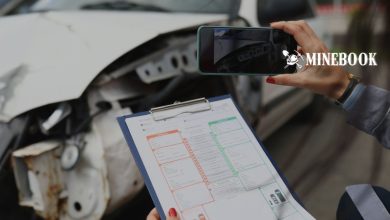
Claim investigation is a crucial process that delves into uncovering the intricacies of various claims, shedding light on the truth behind them. From unraveling complex scenarios to deciphering evidence, this investigative journey is both enlightening and essential in multiple industries.
As we navigate through the different facets of claim investigation, we will explore its significance, the types of claims investigated, the investigative process, the role of investigators, documentation practices, the integration of technology, legal and ethical considerations, challenges faced, internal versus external investigations, industry-specific variations, and the concept of continuous improvement within this realm.






Introduction to Claim Investigation
Claim investigation plays a crucial role in various industries to ensure fairness, accuracy, and integrity in handling claims. It involves the thorough examination of claims to determine their validity and prevent potential fraudulent activities.
Reasons for Conducting Claim Investigations
Claim investigations are typically conducted for the following reasons:
- To verify the authenticity of a claim and prevent fraudulent activities.
- To gather evidence and information to assess the liability and coverage of the claim.
- To protect the interests of the insurance company or organization handling the claim.
Key Objectives of Claim Investigation
During the claim investigation process, the main objectives include:
- Evaluating the circumstances surrounding the claim to determine its legitimacy.
- Collecting relevant evidence, documents, and statements to support the claim decision.
- Identifying any potential fraud or misrepresentation in the claim.
- Ensuring compliance with legal and regulatory requirements in processing claims.
Types of Claims
When it comes to claim investigation, there are various types of claims that may require in-depth scrutiny to determine validity and ensure fair outcomes. Understanding the different types of claims and the specific approach needed for each is crucial in conducting a thorough investigation.
1. Insurance Claims
Insurance claims involve seeking compensation for losses covered under an insurance policy. These claims can include auto accidents, property damage, health-related expenses, and more. Investigating insurance claims often requires examining policy details, gathering evidence such as police reports or medical records, and assessing the extent of the damage or loss.
2. Personal Injury Claims
Personal injury claims stem from incidents where an individual has been physically or psychologically harmed due to the negligence of another party. Examples include slip and fall accidents, medical malpractice, or workplace injuries. Investigating personal injury claims may involve interviewing witnesses, reviewing medical records, and assessing liability to determine the extent of compensation owed.
3. Worker’s Compensation Claims
Worker’s compensation claims are filed by employees who have been injured on the job and seek benefits such as medical treatment and lost wages. Investigating worker’s compensation claims requires reviewing incident reports, medical records, and employment history to verify the validity of the claim and ensure compliance with state regulations.
4. Product Liability Claims
Product liability claims arise when a defective product causes harm to a consumer. These claims can involve faulty manufacturing, design defects, or inadequate warnings. Investigating product liability claims may require examining product samples, consulting with experts in product engineering, and reviewing consumer complaints to determine liability and potential compensation.
5. Fraudulent Claims
Fraudulent claims involve deception or misrepresentation in an attempt to obtain undeserved benefits or compensation. Examples include staged accidents, inflated damage claims, or falsified medical bills. Investigating fraudulent claims often requires conducting surveillance, analyzing inconsistencies in statements, and working with law enforcement to gather evidence for legal action.
6. Property Damage Claims
Property damage claims involve seeking compensation for damage to real or personal property, such as homes, vehicles, or belongings. Examples include vandalism, natural disasters, or accidents. Investigating property damage claims may involve assessing the extent of the damage, obtaining repair estimates, and documenting evidence to substantiate the claim.
Claim Investigation Process
When a claim is reported, a series of steps are followed to conduct a thorough investigation to determine the validity of the claim. This process is crucial in ensuring fair and accurate outcomes.
Initial Steps in Claim Investigation
Upon receiving a claim, the initial steps involve gathering basic information such as the nature of the claim, the parties involved, and any relevant documents or records. This information forms the foundation of the investigation process.
- Interviewing Witnesses: Investigators may interview witnesses to gather firsthand accounts of the incident or situation leading to the claim.
- Reviewing Documentation: Relevant documents such as contracts, policies, and communication records are examined to understand the context of the claim.
- Site Visit: In some cases, a physical inspection of the site where the incident occurred may be necessary to gather additional evidence.
Evidence Collection and Analysis
Once the initial steps are completed, the focus shifts to collecting and analyzing evidence to substantiate or refute the claim.
- Gathering Physical Evidence: Physical evidence such as photographs, videos, or forensic evidence is collected to support the investigation.
- Conducting Interviews: More in-depth interviews may be conducted with involved parties or experts to gather detailed information.
- Expert Analysis: In complex claims, experts in relevant fields may be consulted to provide specialized analysis and insights.
Role of Investigators
Investigators play a crucial role in the claim investigation process, as they are responsible for gathering evidence, interviewing witnesses, and analyzing data to determine the validity of a claim. Their main responsibilities include:
Key Responsibilities of Investigators
- Conducting thorough investigations to gather relevant information and evidence related to the claim.
- Interviewing claimants, witnesses, and other involved parties to collect statements and testimonies.
- Analyzing documentation, such as medical records, police reports, and financial records, to assess the validity of the claim.
- Inspecting accident scenes, damaged property, or other relevant locations to gather physical evidence.
- Preparing detailed reports outlining their findings and conclusions based on the investigation.
Qualifications and Skills Required for Effective Claim Investigators
- Strong analytical skills and attention to detail to accurately assess and interpret information.
- Excellent communication skills to effectively interview witnesses and communicate findings in reports.
- Knowledge of relevant laws, regulations, and investigative techniques to conduct thorough investigations.
- Ability to remain impartial and objective throughout the investigation process to ensure fair and unbiased results.
- Experience in a related field, such as law enforcement, insurance, or legal services, to provide expertise in claim investigations.
Importance of Impartiality and Objectivity in the Investigation Process
Impartiality and objectivity are essential qualities for investigators to maintain throughout the investigation process. By remaining unbiased and objective, investigators can ensure that the findings and conclusions are based solely on the evidence collected and not influenced by personal beliefs or external factors. This helps to uphold the integrity of the investigation and provide fair and accurate outcomes for all parties involved.
Documentation and Reporting
Thorough documentation and clear reporting are crucial aspects of any claim investigation process. Properly documenting the investigation and reporting findings in a concise manner not only ensures transparency but also helps in presenting a strong case.
Importance of Thorough Documentation
- Documentation serves as a record of all the steps taken during the investigation, including interviews, evidence collection, and analysis.
- It provides a clear trail of the investigative process, which can be vital in case of legal proceedings or disputes.
- Thorough documentation helps in maintaining accuracy and consistency in the investigation, reducing the chances of errors or omissions.
- It also ensures that all relevant information is captured and can be easily referenced at any point during the investigation.
Organizing and Maintaining Records
- Investigators should organize all documentation in a systematic manner, categorizing information based on relevance and importance.
- Maintaining a central repository for all records, including notes, reports, photos, and other evidence, helps in easy retrieval and reference.
- Records should be properly labeled and dated to maintain a chronological order of events and actions taken.
- Regularly updating and reviewing the documentation ensures that it reflects the most current status of the investigation.
Significance of Clear and Concise Reporting
- Clear and concise reporting helps in presenting the investigation findings in a structured and easily understandable format.
- It allows stakeholders to quickly grasp the key points of the investigation without getting lost in unnecessary details.
- Reporting should focus on the essential aspects of the investigation, highlighting key findings, conclusions, and recommendations.
- Well-crafted reports enhance the credibility of the investigation and help in making informed decisions based on the findings.
Technology in Claim Investigations
Technology has revolutionized the field of claim investigations, greatly enhancing efficiency and accuracy in the process. By leveraging advanced tools and software, investigators are able to gather and analyze information more effectively than ever before.
Data Analytics in Claim Investigations
Data analytics plays a crucial role in claim investigations by allowing investigators to sift through large amounts of data to identify patterns, anomalies, and trends. By utilizing sophisticated algorithms, investigators can uncover valuable insights that may have otherwise gone unnoticed.
Surveillance Technology in Claim Investigations
The use of surveillance technology, such as drones and cameras, has become increasingly prevalent in claim investigations. These tools enable investigators to gather visual evidence and monitor subjects discreetly, providing valuable information to support or refute claims.
Forensic Software in Claim Investigations
Forensic software is another key component of modern claim investigations, allowing investigators to analyze digital evidence such as emails, documents, and financial records. This technology helps uncover fraud, manipulation, or inconsistencies that may be present in the data.
Benefits and Challenges of Integrating Technology
- Benefits:
- Improved efficiency and productivity in investigations.
- Enhanced accuracy in analyzing and interpreting data.
- Ability to uncover fraud and inconsistencies more effectively.
- Challenges:
- Initial investment in technology and training costs.
- Data security and privacy concerns.
- Dependency on technology which may lead to potential errors or oversights.
Legal and Ethical Considerations
When conducting claim investigations, it is crucial for investigators to operate within the legal framework that governs such processes in different jurisdictions. Additionally, adhering to ethical standards is essential to maintain the integrity of the investigation and ensure fairness to all parties involved.
Legal Framework for Claim Investigations
In each jurisdiction, there are specific laws and regulations that dictate how claim investigations should be conducted. These laws outline the rights and responsibilities of both the investigators and the parties being investigated. It is imperative for investigators to have a clear understanding of these legal requirements to ensure compliance and avoid any legal repercussions.
Ethical Considerations in Claim Investigations
Ethical considerations play a significant role in claim investigations as they guide the behavior and actions of investigators throughout the process. Investigators must maintain objectivity, honesty, and integrity while gathering evidence and reaching conclusions. It is essential to treat all parties involved with respect and fairness, regardless of the outcome of the investigation.
Consequences of Violating Laws or Ethical Standards
Violating laws or ethical standards in claim investigations can have severe consequences. Not only can it lead to legal penalties, such as fines or even imprisonment, but it can also damage the reputation of the investigator and the organization they represent. Furthermore, it can undermine the credibility of the investigation and jeopardize the validity of any findings or conclusions reached.
Challenges Faced in Claim Investigations
Investigating claims can present several challenges for investigators, impacting the efficiency and accuracy of the process. These challenges can arise from various sources, including external factors like fraudulent claims, lack of cooperation from involved parties, limited access to information, and evolving technological landscapes. Overcoming these obstacles is crucial to ensure a successful investigation and fair resolution for all parties involved.
Common Challenges Faced by Investigators
- Difficulty in obtaining accurate and complete information from claimants, witnesses, and other involved parties.
- Time constraints that may affect the thoroughness of the investigation.
- Dealing with uncooperative or hostile individuals during the investigation process.
- Lack of access to relevant documentation or evidence to support or refute a claim.
Impact of Fraudulent Claims on Investigations
Fraudulent claims pose a significant challenge to investigators, as they can lead to wasted time and resources if not identified early in the process. Detecting fraudulent activities requires a high level of scrutiny and expertise to uncover inconsistencies and discrepancies in the claimant’s statements and supporting documentation. These false claims can complicate the investigation by diverting attention from legitimate cases and prolonging the resolution process.
Strategies for Overcoming Challenges
- Conduct thorough interviews and investigations to gather as much relevant information as possible.
- Utilize technology tools such as data analytics and social media monitoring to verify information and detect inconsistencies.
- Collaborate with other experts or agencies to access additional resources and expertise when needed.
- Maintain open communication with all parties involved in the claim to address any concerns or conflicts promptly.
Internal vs. External Investigations
When it comes to claim investigations, organizations have the option to conduct them internally or outsource them to third-party agencies. Both approaches have their own set of advantages and disadvantages, depending on the circumstances involved.
Internal Investigations
Internal investigations are conducted by the organization’s own team of investigators. They are familiar with the company’s policies, procedures, and culture, which can sometimes lead to a quicker resolution of claims. Internal investigations also allow for better control over the process and confidentiality of sensitive information.
- Pros of Internal Investigations:
- Quick resolution due to familiarity with company processes
- Better control over the investigation
- Confidentiality of sensitive information
- Cons of Internal Investigations:
- Potential bias or conflicts of interest
- Limited expertise in specialized investigations
- Risk of internal politics influencing the outcome
External Investigations
External investigations involve hiring third-party agencies or independent investigators to conduct the inquiry. These external entities bring a fresh perspective and specialized expertise to the table, which can be beneficial in complex cases or when internal resources are limited.
- Pros of External Investigations:
- Neutral and unbiased perspective
- Specialized expertise in complex cases
- Independent verification of findings
- Cons of External Investigations:
- Higher costs associated with outsourcing
- Potential confidentiality risks with external parties
- Lack of immediate control over the investigation process
Example situations where internal investigations may be more suitable include routine claims that are straightforward and require quick resolution. On the other hand, complex fraud cases or situations involving conflicts of interest may warrant the use of external investigators to ensure impartiality and thoroughness.
Industry-specific Claim Investigations
When it comes to claim investigations, different industries have unique processes and challenges that investigators must navigate. Let’s explore how claim investigations vary across industries such as insurance, healthcare, and finance, and delve into the specific considerations involved in conducting claim investigations in these sectors.
Insurance Industry
Claim investigations in the insurance industry often involve verifying the authenticity of claims, assessing damages, and detecting potential fraud. Investigators need to have a deep understanding of insurance policies and regulations to effectively investigate claims.
- Case Study: In a recent insurance claim investigation, an investigator uncovered a fraudulent claim by analyzing inconsistencies in the claimant’s statements and gathering evidence from witnesses.
- Challenges: Dealing with complex insurance policies, coordinating with multiple parties involved in the claim, and handling sensitive information.
Healthcare Industry
Claim investigations in the healthcare industry focus on detecting billing errors, uncovering fraudulent activities, and ensuring compliance with healthcare regulations. Investigators need to have knowledge of medical coding and billing practices.
- Case Study: A healthcare claim investigation revealed a pattern of overbilling by a medical facility, leading to penalties and corrective actions.
- Challenges: Keeping up with changing healthcare laws, analyzing large volumes of medical records, and working with medical professionals to understand complex procedures.
Finance Industry
In the finance industry, claim investigations often involve fraud detection, money laundering activities, and compliance with financial regulations. Investigators must have a strong grasp of financial transactions and laws governing the industry.
- Case Study: A finance claim investigation uncovered a Ponzi scheme that had defrauded investors of millions of dollars, leading to legal actions against the perpetrators.
- Challenges: Tracing complex financial transactions, dealing with international regulations, and collaborating with law enforcement agencies.
Continuous Improvement in Claim Investigations
Continuous improvement in claim investigations involves constantly evaluating and refining processes to enhance efficiency, accuracy, and effectiveness in handling claims. By analyzing past investigations, identifying areas for improvement, and implementing changes, claim investigation teams can optimize their practices over time.
Utilizing Feedback from Past Investigations
Feedback from past investigations serves as a valuable resource for identifying strengths and weaknesses in current processes. Investigators can review feedback on the quality of evidence gathered, the timeliness of the investigation, the accuracy of findings, and the overall satisfaction of involved parties. By analyzing this feedback, teams can pinpoint areas for improvement and implement strategies to address them.
- Review feedback from stakeholders, including clients, claimants, and internal team members, to identify recurring issues or areas of concern.
- Use data analytics tools to track key performance indicators and identify trends in investigation outcomes.
- Implement regular review sessions to discuss feedback and brainstorm solutions for improving investigation processes.
- Establish clear communication channels for sharing feedback and suggestions within the team.
Implementing a Culture of Continuous Improvement
To foster a culture of continuous improvement within claim investigation teams, it is essential to prioritize learning, adaptation, and innovation. By encouraging open communication, collaboration, and a proactive approach to problem-solving, teams can create an environment that supports ongoing growth and development.
Emphasize the importance of learning from mistakes and actively seeking opportunities to enhance investigation practices.
- Provide ongoing training and professional development opportunities to enhance investigators’ skills and knowledge.
- Encourage team members to share best practices, lessons learned, and innovative ideas for improving investigation processes.
- Establish regular feedback mechanisms, such as surveys, focus groups, or performance evaluations, to gather input from investigators and stakeholders.
- Recognize and reward team members who contribute to process improvements and demonstrate a commitment to continuous learning.
Conclusive Thoughts
In conclusion, claim investigation serves as a cornerstone in ensuring fairness, accuracy, and integrity in dealing with claims. By embracing the complexities and challenges of this process, organizations can strive towards enhancing their investigative practices and upholding ethical standards in the realm of claims management.

Contributing author focused on delivering fresh perspectives and timely information.