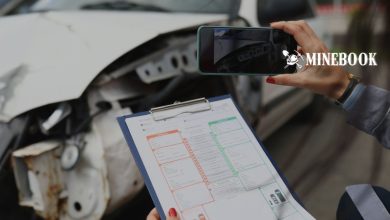
Claim adjuster, the pivotal figure in insurance claims, navigates through complex scenarios to ensure fair resolutions for all parties involved. From assessing damages to communicating effectively, their role is crucial in the insurance industry.
This profession requires a unique blend of skills, qualifications, and ethical considerations to excel. Let’s delve into the world of claim adjusting to understand the intricacies of this dynamic field.






Definition of Claim Adjuster
Claim adjusters play a crucial role in the insurance industry by investigating insurance claims to determine the extent of the insurance company’s liability. They are responsible for assessing the validity of claims, analyzing policy coverage, and negotiating settlements with policyholders.
Role and Responsibilities
Claim adjusters are tasked with a variety of responsibilities, including:
- Conducting investigations to determine the cause of a claim
- Assessing the extent of damage or loss
- Reviewing policy coverage to determine the insurance company’s liability
- Negotiating settlements with policyholders
- Communicating with various parties involved in the claim, such as policyholders, witnesses, and experts
Typical Day-to-Day Tasks
On a day-to-day basis, claim adjusters may:
- Review new insurance claims and prioritize them based on urgency
- Conduct on-site inspections to assess damage or loss
- Collect evidence, such as photos, statements, and police reports
- Analyze policy coverage and determine the extent of the insurance company’s liability
- Negotiate settlements with policyholders or their representatives
Examples of Interventions
Claim adjusters may be required to intervene in various situations, such as:
- An auto accident where the policyholder is seeking compensation for vehicle damage
- A homeowner’s claim for water damage due to a burst pipe
- A liability claim against a business for a slip and fall accident on their premises
Skills and Qualifications
To excel as a claim adjuster, certain skills and qualifications are essential. These include a combination of technical expertise, interpersonal skills, and industry knowledge. Let’s delve into the specifics below.
Essential Skills for Claim Adjusters
- Strong Analytical Skills: Claim adjusters need to assess information, analyze policies, and make sound decisions based on the facts presented.
- Excellent Communication Skills: Effective communication is key when interacting with clients, colleagues, and other stakeholders involved in the claims process.
- Negotiation Skills: Claim adjusters often negotiate settlements, so being able to navigate these discussions successfully is crucial.
- Attention to Detail: Precision and accuracy are paramount in evaluating claims and ensuring all documentation is correct.
- Customer Service Skills: Providing support and guidance to policyholders during the claims process requires empathy and a customer-centric approach.
Educational Background and Certifications
While a college degree is not always required, a background in finance, business, or a related field can be beneficial for a career in claim adjusting. Additionally, obtaining certifications such as the Associate in Claims (AIC) designation or Chartered Property Casualty Underwriter (CPCU) designation can enhance your credibility and expertise in the field.
Role of Experience in Claim Adjusting
Experience plays a significant role in becoming a successful claim adjuster. Working in entry-level positions to gain practical experience, handling various types of claims, and familiarizing yourself with different insurance policies can help you develop the expertise needed to excel in this role. Continuous learning and staying updated on industry trends are also crucial for professional growth in claim adjusting.
Types of Claim Adjusters
When it comes to claim adjusters, there are different types that play distinct roles in the insurance industry. Understanding the differences between public adjusters and company adjusters, as well as independent adjusters versus staff adjusters, is crucial for anyone involved in the claims process.
Public Adjusters vs. Company Adjusters
Public adjusters work on behalf of policyholders to help them navigate the claims process and ensure they receive fair compensation from the insurance company. They are independent contractors and are paid by the policyholder. On the other hand, company adjusters, also known as staff adjusters, work directly for the insurance company. Their primary responsibility is to investigate claims on behalf of the insurer and determine the amount of compensation to be paid to the policyholder.
- Public adjusters advocate for the policyholder’s best interests, while company adjusters represent the insurance company.
- Public adjusters have more flexibility in negotiating settlements, while company adjusters must adhere to the guidelines set by their employer.
- Company adjusters may have access to more resources and support from their insurance company, while public adjusters operate independently.
Independent Adjusters vs. Staff Adjusters
Independent adjusters are hired by insurance companies on a contract basis to handle claims on their behalf. They work independently and are paid per claim they handle. Staff adjusters, on the other hand, are full-time employees of the insurance company and handle claims exclusively for that company.
- Independent adjusters have the flexibility to work for multiple insurance companies and may have a broader range of experience, while staff adjusters specialize in handling claims for a specific insurer.
- Staff adjusters often receive more training and support from their employer, while independent adjusters rely on their own knowledge and expertise.
- Independent adjusters have the freedom to set their own schedules and take on as many or as few claims as they choose, while staff adjusters have a set workload determined by their employer.
It is essential for insurance companies and policyholders to understand the roles and responsibilities of each type of claim adjuster to ensure a smooth and fair claims process.
Claim Adjustment Process
When a claim adjuster receives a claim, they follow a systematic process to assess its validity and determine the appropriate amount of compensation. This process involves investigating the claim, gathering relevant information, and applying specific criteria to make an informed decision.
Investigation and Information Gathering
Claim adjusters start by gathering information related to the claim, which may include interviewing the policyholder, witnesses, and any other involved parties. They also review police reports, medical records, and any other documentation relevant to the claim. This thorough investigation helps the adjuster understand the circumstances surrounding the claim and determine its validity.
- Interviewing the policyholder and witnesses to get first-hand accounts of the incident.
- Reviewing police reports, medical records, and any other relevant documentation to gather evidence.
- Inspecting the damaged property or accident site to assess the extent of the loss.
Claim adjusters must ensure that all information gathered is accurate and relevant to the claim to make a fair assessment.
Criteria for Validity Determination
Once the investigation is complete, claim adjusters use specific criteria to determine the validity of the claim. These criteria may include verifying coverage under the policy, assessing the extent of the damages, and confirming that the claimed losses are consistent with the policy terms. By applying these criteria, claim adjusters can make an objective decision on the claim.
- Verifying coverage under the policy to ensure the claim falls within the policy’s scope.
- Assessing the extent of damages by considering repair estimates and expert opinions.
- Confirming that the claimed losses are consistent with the policy terms to prevent fraudulent claims.
Claim adjusters play a crucial role in ensuring that policyholders receive fair compensation for legitimate claims while protecting insurance companies from fraudulent or exaggerated claims.
Communication Skills
Effective communication is crucial for claim adjusters to successfully navigate the claim adjustment process. Claim adjusters must interact with policyholders, witnesses, insurance agents, and other stakeholders to gather information, assess damages, and negotiate settlements. Good communication skills can greatly impact the outcome of a claim by building trust, managing expectations, and resolving disputes in a timely and professional manner.
Interacting with Policyholders
- Claim adjusters need to communicate clearly and empathetically with policyholders to explain the claims process, answer questions, and address concerns.
- Building rapport and maintaining a positive relationship with policyholders can help expedite the claim resolution and ensure customer satisfaction.
- Providing regular updates and being accessible to policyholders can enhance transparency and trust throughout the claims process.
Interacting with Witnesses and Stakeholders
- Claim adjusters must interview witnesses and gather information to accurately assess the damages and liability of a claim.
- Communicating effectively with witnesses and stakeholders can help uncover key details, verify information, and strengthen the validity of the claim.
- Negotiating settlements with insurance agents and other stakeholders requires strong communication skills to reach mutually beneficial agreements.
Impact of Good Communication Skills
- Resolving conflicts and disputes through effective communication can prevent costly litigation and expedite the claim resolution process.
- Clear and concise communication can help avoid misunderstandings, reduce delays, and ensure all parties are on the same page throughout the claims process.
- Empathetic and professional communication can enhance the overall customer experience, leading to higher customer satisfaction and retention rates.
Technology in Claim Adjusting
Technology plays a crucial role in modern claim adjusting practices, revolutionizing the way claim adjusters handle and process claims. By leveraging various software and tools, claim adjusters can streamline the claims process, improve efficiency, and enhance customer satisfaction.
Role of Software and Tools
- Claim Management Systems: These systems allow claim adjusters to input, track, and manage claims efficiently. They provide a centralized platform for storing claim information, communicating with stakeholders, and monitoring claim progress.
- Estimating Software: Claim adjusters use estimating software to assess damages, calculate repair costs, and generate accurate estimates for claim settlements. This helps expedite the claims process and ensure fair compensation for policyholders.
- Mobile Apps: With the advancement of mobile technology, claim adjusters can use mobile apps to capture photos, record statements, and access claim information on the go. This enables faster claims processing and improved communication with policyholders.
Advancements in Technology
- Artificial Intelligence (AI): AI-powered tools can analyze data, identify patterns, and make predictions to assist claim adjusters in decision-making. This technology enhances accuracy, reduces human error, and speeds up claims resolution.
- Data Analytics: Claim adjusters utilize data analytics tools to extract valuable insights from large volumes of data. By analyzing trends, patterns, and anomalies, adjusters can make informed decisions, detect fraud, and optimize claims processes.
- Blockchain Technology: Blockchain technology provides a secure and transparent way to store and verify claim information. Claim adjusters can use blockchain to ensure data integrity, prevent fraud, and streamline the claims settlement process.
Ethical Considerations
As claim adjusters navigate the complex world of insurance claims, they often encounter ethical dilemmas that require careful consideration. Upholding integrity and impartiality is crucial for claim adjusters to maintain professionalism and trust with all parties involved in the claims process.
Importance of Integrity and Impartiality
Claim adjusters must prioritize integrity and impartiality in their work to ensure fair and accurate claim assessments. By remaining unbiased and transparent, claim adjusters can build trust with policyholders, insurance companies, and other stakeholders.
- Adhering to ethical standards set by professional organizations and regulatory bodies.
- Resisting any undue influence or pressure to favor one party over another.
- Disclosing any conflicts of interest that may arise during the claims process.
- Ensuring that all decisions are based on facts and evidence, rather than personal biases or external factors.
Examples of Ethical Issues
Claim adjusters may face various ethical issues in their line of work, such as:
- Conflict of interest when dealing with claims from friends or family members.
- Pressure from superiors or colleagues to expedite or deny certain claims for financial gain.
- Temptation to overlook or downplay certain information to reach a favorable outcome for the insurance company.
- Handling sensitive information with confidentiality and discretion to protect the privacy of policyholders.
Industry Regulations
In the insurance industry, claim adjusters must adhere to a strict regulatory framework that governs their work and ensures fair practices. Compliance with industry regulations is crucial to maintaining trust with policyholders and upholding ethical standards in the claims process.
Legal Requirements for Claim Adjusters
Claim adjusters are required to follow specific legal guidelines when handling claims. This includes understanding state and federal laws related to insurance, as well as regulations set forth by industry organizations. For example, claim adjusters must ensure that claims are processed in a timely manner, that policyholders are treated fairly, and that all relevant documentation is accurately maintained.
- Claim adjusters must have a thorough understanding of insurance laws and regulations to ensure compliance.
- They must stay up-to-date on changes in legislation that may impact the claims process.
- Claim adjusters must protect the confidentiality of sensitive information in accordance with data protection laws.
- They must also adhere to ethical standards and codes of conduct set forth by industry associations.
Impact of Compliance with Industry Regulations
Compliance with industry regulations not only ensures legal adherence but also helps claim adjusters build credibility and trust with policyholders. By following the established guidelines, claim adjusters can avoid legal repercussions, maintain professionalism in their work, and provide a high level of service to those filing claims.
- Compliance with regulations promotes transparency and fairness in the claims process.
- It helps protect policyholders from potential misconduct or unfair treatment.
- Adhering to industry regulations can also streamline the claims process and prevent delays or disputes.
- Overall, compliance with legal requirements enhances the reputation of claim adjusters and the insurance industry as a whole.
Career Growth Opportunities
Claim adjusters have various career growth opportunities beyond the entry-level role in the insurance industry. Professional development and advancement are achievable through a combination of experience, education, and specialized training.
Specialization in Different Types of Claims
- Property Claims: Focus on assessing damage to homes, buildings, and personal property due to incidents like fires, floods, or theft.
- Auto Claims: Specialize in evaluating vehicle damage and determining liability in accidents.
- Workers’ Compensation Claims: Handle claims related to injuries or illnesses sustained in the workplace.
Obtaining Relevant Certifications
- Obtaining certifications such as the Associate in Claims (AIC) or Chartered Property Casualty Underwriter (CPCU) can enhance credibility and open up new career opportunities.
- Continuing education in areas like ethics, law, and technology can also help claim adjusters stay current and competitive in the field.
Advancing to Supervisor or Managerial Roles
- With experience and proven leadership skills, claim adjusters can advance to supervisory or managerial positions where they oversee a team of adjusters.
- These roles involve more strategic decision-making, training, and handling complex claims.
Last Recap
In conclusion, claim adjusters serve as the backbone of the insurance industry, balancing technical expertise with interpersonal skills to achieve optimal outcomes. Their dedication to fairness and integrity shapes the course of insurance claims, making them indispensable in the realm of risk management.

Contributing author focused on delivering fresh perspectives and timely information.