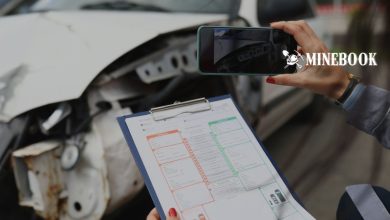
Warranty claim is a crucial aspect of consumer rights, ensuring protection and satisfaction. Let’s delve into the world of warranty claims to understand its significance and implications.
Warranty claims play a vital role in safeguarding consumer interests and ensuring fair treatment in case of product issues.






Introduction to Warranty Claims
In the context of consumer rights, a warranty claim refers to the process in which a consumer seeks repair, replacement, or refund for a faulty or defective product covered under a warranty provided by the manufacturer or seller.
Understanding warranty claims is crucial for consumers as it ensures that they are aware of their rights and options when faced with a product that does not meet the expected quality standards. By knowing how to navigate the warranty claim process, consumers can protect themselves from financial loss and ensure that they receive the appropriate resolution for their issue.
Common Warranty Claim Scenarios
- Defective Electronics: Consumers may encounter issues with electronic devices such as smartphones, laptops, or TVs, prompting them to file a warranty claim for repair or replacement.
- Faulty Appliances: Home appliances like refrigerators, washing machines, or ovens may malfunction, leading consumers to seek warranty coverage for repairs or a new unit.
- Vehicle Repairs: Car owners may experience mechanical problems with their vehicles within the warranty period, requiring them to submit a warranty claim to the dealership or manufacturer.
Types of Warranties
When it comes to warranties, there are different types that may apply to products, each offering varying levels of coverage and protection for consumers. Let’s explore the main types of warranties and how they differ from one another.
Manufacturer Warranties
Manufacturer warranties are typically included with the purchase of a product and are provided by the manufacturer. These warranties usually cover defects in materials or workmanship for a specified period of time. They are often limited in scope and may have certain conditions or exclusions.
- Manufacturer warranties are commonly found with electronics, appliances, and vehicles.
- They are usually free of charge and provide basic coverage for a set period, such as one year.
- Manufacturer warranties do not cover damage caused by misuse or accidents.
Extended Warranties
Extended warranties, on the other hand, are additional protection plans that can be purchased separately from the product. These warranties extend the coverage beyond the manufacturer warranty and may include benefits like repairs, replacements, or even refunds.
- Extended warranties are often offered by third-party providers or retailers for an extra cost.
- They can cover a wider range of issues or damages compared to manufacturer warranties.
- Extended warranties are optional and provide peace of mind for consumers concerned about potential future problems.
Variability of Warranty Terms
Warranty terms can vary significantly based on the type of product or service being offered. For example, the warranty for a smartphone may differ from that of a home appliance in terms of coverage, duration, and exclusions. It’s essential for consumers to carefully review the warranty terms before making a purchase to understand what is covered and what is not.
- Some warranties may offer limited coverage for specific components or parts.
- Others may provide comprehensive protection for a broader range of issues.
- Warranty terms may also differ based on the brand, price point, or intended use of the product.
Process of Filing a Warranty Claim
When it comes to filing a warranty claim, there are specific steps that need to be followed to ensure a smooth process. Proper documentation is crucial to support your claim, and there are ways to expedite the process.
Steps Involved in Filing a Warranty Claim
- Contact the warranty provider: Reach out to the company or manufacturer from whom you purchased the product to initiate the claim process.
- Provide necessary information: Be prepared to provide details such as the product serial number, purchase date, and a description of the issue.
- Submit documentation: Depending on the type of warranty, you may need to submit proof of purchase, warranty certificate, and any relevant photos or videos of the issue.
- Wait for assessment: The warranty provider will assess the claim and determine if it meets the warranty terms and conditions.
- Resolution: If the claim is approved, the company will provide instructions on how to proceed with repair, replacement, or reimbursement.
Documentation Required When Submitting a Claim
- Proof of purchase: A receipt or invoice showing the date of purchase and price paid.
- Warranty certificate: If applicable, provide the warranty document that outlines the coverage.
- Photos or videos: Visual evidence of the issue can help expedite the assessment process.
- Contact information: Ensure your contact details are accurate for communication purposes.
Tips to Expedite the Warranty Claim Process
- Submit all required documentation: Make sure you have all necessary documents ready when filing the claim.
- Follow up: Stay in touch with the warranty provider to inquire about the status of your claim.
- Be detailed: Provide a clear and concise description of the issue to avoid delays in assessment.
- Know your rights: Familiarize yourself with the terms and conditions of the warranty to understand what is covered.
Common Issues with Warranty Claims
When dealing with warranty claims, consumers often encounter various challenges that can make the process frustrating and time-consuming. Understanding these common issues can help you navigate the process more effectively.
Denial of Valid Claims
One of the most frustrating issues consumers face is when their valid warranty claims are denied by companies. This can happen for a variety of reasons, such as:
- Failure to follow proper claim procedures outlined in the warranty agreement.
- Exceeding the warranty period specified by the manufacturer.
- Damage caused by misuse or neglect of the product.
- Not providing sufficient evidence or documentation to support the claim.
Difficulties in Communication
Another common issue is the lack of clear communication between consumers and companies when filing warranty claims. This can lead to delays in processing claims, misunderstandings, and frustration on both sides. To address this, it is important to:
- Keep detailed records of all communications related to the warranty claim.
- Clearly outline the issue and provide all necessary information when submitting a claim.
- Follow up regularly with the company to ensure your claim is being processed.
Lengthy Processing Times
Many consumers also face challenges due to the lengthy processing times involved in warranty claims. Waiting for a resolution can be frustrating, especially when the product in question is essential for daily use. To mitigate this issue, consider:
- Asking for an estimated timeline for processing your claim when submitting it.
- Exploring expedited processing options, if available.
- Seeking interim solutions or replacements while waiting for the claim to be resolved.
Legal Rights and Protections
Consumer rights and legal protections play a crucial role in warranty claims, ensuring that consumers are not left vulnerable to faulty products or services. These laws are designed to safeguard consumers and hold businesses accountable for their obligations under warranties.
Impact of Consumer Protection Laws
Consumer protection laws have a significant impact on warranty claim processes by setting standards for fair treatment of consumers. These laws outline the rights of consumers when it comes to warranties, including the right to repair, replacement, or refund for defective products or services. Consumer protection laws also regulate the information that must be provided to consumers regarding warranties, ensuring transparency and preventing misleading practices.
- Consumer protection laws require businesses to honor warranties and fulfill their obligations to consumers.
- These laws often provide guidelines on the duration of warranties, what is covered, and how claims should be handled.
- Consumer protection laws also prohibit unfair practices, such as voiding warranties for arbitrary reasons or denying valid claims.
Landmark Cases in Warranty Claim Regulations
Landmark cases have played a crucial role in shaping warranty claim regulations and establishing legal precedents that protect consumers. These cases have set important standards for businesses and manufacturers to follow when it comes to warranties and consumer rights.
One notable example is the Magnuson-Moss Warranty Act, a federal law that governs warranties on consumer products and protects consumers from deceptive warranty practices.
- The case of Moss v. Thermador, where the court ruled that manufacturers cannot limit warranties to only original purchasers, setting a precedent for wider warranty coverage.
- In the case of Cipollone v. Liggett Group, Inc., the court held that manufacturers cannot misrepresent the terms of their warranties, emphasizing the importance of transparency in warranty information.
- Another significant case is Henningsen v. Bloomfield Motors, which established the doctrine of implied warranties, ensuring that products are fit for their intended use even without an explicit warranty.
Warranty Claim Fraud
Warranty claim fraud refers to the act of intentionally deceiving a company or manufacturer in order to obtain benefits or compensation through false warranty claims. This can involve providing misleading information, falsifying documents, or exaggerating the extent of damages or issues to make a claim.
Implications of Warranty Claim Fraud
- Legal Consequences: Engaging in warranty claim fraud can lead to legal action, including fines, penalties, and even criminal charges.
- Damage to Reputation: Companies that fall victim to warranty claim fraud may suffer reputational damage, leading to loss of trust from customers and stakeholders.
- Financial Loss: Fraudulent warranty claims can result in significant financial losses for companies, impacting their bottom line and profitability.
Tips for Preventing Warranty Claim Fraud
- Implement Fraud Detection Measures: Utilize technology and data analytics to identify patterns of fraudulent behavior and flag suspicious claims.
- Educate Employees: Train staff on how to recognize potential fraud indicators and the importance of reporting any suspicious activities.
- Verify Claims: Thoroughly investigate warranty claims, request supporting documentation, and conduct on-site inspections if necessary to validate the authenticity of claims.
- Enforce Strict Policies: Establish clear guidelines and procedures for filing warranty claims, and enforce consequences for individuals found to be engaging in fraudulent activities.
Customer Experience and Satisfaction
Customer experience plays a crucial role in determining the overall satisfaction of consumers when dealing with warranty claims. Efficient and hassle-free processes can significantly impact how customers perceive a company’s commitment to quality and service. In this section, we will explore the importance of customer experience in warranty claims and share best practices for companies to enhance satisfaction.
Impact of Efficient Warranty Claim Processes
Efficient warranty claim processes not only save time and effort for customers but also reflect positively on the company’s reputation. When customers can easily file a claim, receive prompt responses, and have their issues resolved quickly, they are more likely to feel valued and satisfied with their purchase. This positive experience can lead to increased loyalty and repeat business.
Best Practices to Enhance Customer Satisfaction
– Provide clear and concise information on warranty coverage and claim procedures.
– Offer multiple channels for customers to submit claims, such as online forms, phone calls, or in-person visits.
– Ensure prompt communication and updates throughout the claim process to keep customers informed.
– Train customer service representatives to handle warranty claims professionally and empathetically.
– Go above and beyond by offering discounts, replacements, or additional services to delight customers.
Examples of Companies with Exceptional Warranty Claim Services
– Apple: Known for its seamless warranty claim process and excellent customer support.
– Toyota: Offers extensive warranty coverage and quick resolution of claims.
– Amazon: Provides hassle-free returns and replacements for defective products.
– Nordstrom: Focuses on customer satisfaction by going the extra mile to resolve warranty issues.
Warranty Claim Management Systems
Technology plays a crucial role in streamlining warranty claim management processes, allowing companies to efficiently handle and track claims from customers. By utilizing software solutions specifically designed for warranty claim management, businesses can improve their overall customer service experience and operational efficiency.
Comparison of Software Solutions
- Some popular software solutions for handling warranty claims include Oracle Warranty Management, SAP Warranty Management, and Salesforce Service Cloud.
- Oracle Warranty Management offers a comprehensive platform for managing warranties, claims, and service contracts, with features such as automated claim processing and real-time analytics.
- SAP Warranty Management integrates with SAP’s other business solutions to provide a holistic approach to warranty claim management, enabling companies to streamline processes and enhance visibility.
- Salesforce Service Cloud focuses on customer service and support, allowing businesses to track and resolve warranty claims efficiently while maintaining a personalized customer experience.
Benefits of Effective Warranty Claim Management Systems
- Improved Customer Satisfaction: By streamlining the warranty claim process, companies can enhance customer satisfaction by providing timely and accurate resolution to claims.
- Cost Savings: Efficient warranty claim management systems help reduce processing costs and minimize errors, leading to cost savings for businesses.
- Data Insights: Software solutions for warranty claim management offer valuable data insights that can help companies identify trends, improve product quality, and enhance overall service delivery.
- Compliance and Reporting: Implementing an effective warranty claim management system ensures compliance with warranty regulations and enables accurate reporting for regulatory purposes.
Warranty Claim Trends
In the rapidly evolving landscape of warranty claims, staying informed about the latest trends is crucial for businesses to adapt and improve their processes. One significant trend that has been shaping the industry is the increasing shift towards digitalization.
Impact of Digitalization on Warranty Claims
- Digitalization has revolutionized the way warranty claims are handled, making the process more efficient and streamlined.
- Automation and digital tools have enabled faster communication between customers, service providers, and manufacturers, resulting in quicker claim resolutions.
- Data analytics and digital platforms have provided valuable insights into customer behavior and preferences, helping companies tailor their warranty services accordingly.
Predicted Future Developments in Warranty Claim Processes
- Integration of artificial intelligence and machine learning algorithms to enhance claim processing accuracy and speed.
- Expansion of self-service options for customers to easily submit and track their warranty claims online.
- Implementation of blockchain technology to ensure transparency and security in warranty claim transactions.
International Perspectives on Warranty Claims
In the global marketplace, warranty claim processes vary significantly from country to country due to differences in regulations, consumer expectations, and cultural norms. Understanding these international perspectives is crucial for businesses operating in multiple regions.
Comparison of Warranty Claim Processes
- In the United States, warranty claims are often straightforward, with clear guidelines on what is covered and how to file a claim. Consumers expect quick resolutions and may resort to legal action if not satisfied.
- In Japan, customer service is highly valued, and companies may go above and beyond to resolve warranty claims promptly to maintain their reputation for quality and reliability.
- In some European countries, such as Germany, there is a strong emphasis on consumer rights, and warranty claims are taken very seriously. Companies must adhere to strict regulations to protect consumers.
- In developing countries, warranty claim processes may be less formalized, leading to challenges for consumers in getting their claims approved and processed in a timely manner.
Cultural Influences on Attitudes Towards Warranty Claims
- In some cultures, there may be a stigma associated with filing warranty claims, as it could be seen as a sign of distrust or ingratitude towards the manufacturer.
- In other cultures, such as in the Nordic countries, there is a strong emphasis on consumer rights and holding companies accountable for the quality of their products, leading to a more proactive approach to warranty claims.
- Cultural attitudes towards warranties can also be influenced by factors such as individualism versus collectivism, with individualistic societies placing more importance on personal rights and freedoms in warranty claims.
Global Trends in Consumer Protection Related to Warranty Claims
- There is a growing trend towards standardizing warranty claim processes internationally to provide consistency and clarity for consumers no matter where they are located.
- Consumer protection laws are evolving to address issues such as false advertising, misleading warranty terms, and unfair claim denials, ensuring that consumers are not taken advantage of by manufacturers.
- With the rise of e-commerce and cross-border shopping, consumers are increasingly seeking protection for their purchases across different countries, leading to a need for harmonization of warranty laws on a global scale.
Case Studies and Success Stories
In the realm of warranty claims, real-life examples of successful cases serve as valuable learning experiences for both consumers and businesses. By examining these case studies, we can uncover effective strategies that led to positive outcomes, as well as gain insights into potential pitfalls to avoid in similar situations.
Case Study 1: Electronics Manufacturer
- An electronics manufacturer received numerous warranty claims from customers reporting malfunctioning devices.
- Upon investigation, the company identified a common manufacturing defect in a specific component.
- The manufacturer promptly issued a product recall and offered free repairs or replacements to affected customers.
- As a result, customer satisfaction levels increased, and the company’s reputation for quality and customer service was enhanced.
Case Study 2: Automobile Company
- An automobile company faced a surge in warranty claims related to engine failures in a particular model.
- After thorough analysis, the company discovered an issue with the engine design that was causing the failures.
- The company initiated a proactive recall campaign, offering engine replacements at no cost to affected customers.
- By addressing the issue swiftly and transparently, the company not only retained customer trust but also improved brand loyalty.
Key Takeaways
- Swift identification and resolution of warranty claim issues are crucial for maintaining customer satisfaction and loyalty.
- Transparency and proactive communication with customers during warranty claim processes can enhance brand reputation.
- Leveraging warranty claims as opportunities to improve product quality and customer service can lead to long-term success.
Final Summary
In conclusion, warranty claims are essential for consumer protection, and understanding the process can lead to a seamless experience. By being informed and proactive, consumers can navigate warranty claims effectively and secure their rights.

Contributing author focused on delivering fresh perspectives and timely information.