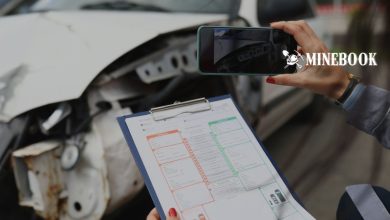
Claim documentation plays a pivotal role in the insurance industry, ensuring accuracy and compliance. Explore the key aspects of creating and managing claim documents effectively.
Overview of Claim Documentation
Claim documentation plays a crucial role in the insurance industry as it serves as a record of the details surrounding an insurance claim. It helps insurance companies assess the validity of a claim, process it efficiently, and prevent fraudulent activities.






Purpose of Claim Documentation
Claim documentation typically includes the initial claim form, police reports (for incidents like accidents or theft), medical records (for health-related claims), repair estimates, and any other relevant information to support the claim. By compiling these documents, insurance companies can verify the authenticity of the claim and determine the appropriate coverage.
Types of Documents Included
- Initial claim form: This form outlines the details of the incident or loss, including the date, time, location, and description of what happened.
- Police reports: These are essential for incidents like accidents, thefts, or vandalism, providing an official record of the event.
- Medical records: For health-related claims, medical records are necessary to validate the need for treatment and expenses incurred.
- Repair estimates: In cases of property damage, repair estimates help assess the cost of repairs and the extent of the damage.
Importance of Claim Documentation
Claim documentation is crucial in situations where there is a dispute over the claim, suspected fraud, or a need for thorough investigation. For example, in a car accident claim, having detailed documentation, including photos, witness statements, and repair estimates, can help insurance adjusters determine fault and coverage accurately.
Importance of Accurate Documentation
Accurate documentation is crucial when preparing claim documentation as it ensures that all information provided is correct, reliable, and verifiable. Inaccurate or incomplete documentation can lead to various negative consequences, impacting the outcome of the claim process and potentially causing delays or denials.
Consequences of Inaccurate Documentation
- Claim Rejection: Inaccurate information in the documentation can lead to the rejection of the claim by the insurance company.
- Delayed Processing: Incomplete documentation may result in delays in the processing of the claim, prolonging the resolution of the issue.
- Loss of Compensation: Errors in documentation could result in a reduced or denied compensation amount, affecting the financial recovery of the claimant.
Tips to Ensure Accuracy of Claim Documentation
- Double-Check Information: Verify all details, including dates, names, and amounts, to ensure accuracy before submitting the documentation.
- Keep Records: Maintain a record of all relevant documents and communications related to the claim to support the information provided.
- Seek Clarification: If unsure about any details, seek clarification from the appropriate sources to avoid inaccuracies in the documentation.
- Review Guidelines: Familiarize yourself with the specific requirements and guidelines for claim documentation to ensure compliance and accuracy.
Elements of Effective Claim Documentation
Effective claim documentation is crucial in ensuring that claims are properly recorded, evaluated, and processed in a timely manner. Here are the key elements that should be included in a comprehensive claim document:
Key Elements of Claim Documentation
- Claimant Information: Include the claimant’s name, contact details, and any relevant identification numbers.
- Description of Loss: Provide a detailed description of the incident or event that led to the claim.
- Evidence and Supporting Documents: Attach any relevant evidence such as photos, receipts, invoices, or witness statements.
- Claim Details: Clearly outline the amount being claimed, including any applicable deductibles or limits.
- Communication Log: Keep a record of all communications related to the claim, including phone calls, emails, and in-person meetings.
Organizing and Structuring Claim Documentation
Proper organization and structure of claim documentation are essential for clarity and ease of reference. Here are some tips on how to organize and structure claim documentation effectively:
- Use a clear and consistent naming convention for files and folders to facilitate easy retrieval of documents.
- Create a table of contents or index to provide an overview of the contents of the claim file.
- Arrange documents in chronological order to show the progression of the claim and any related events.
- Separate different types of documents into categories or sections, such as claim forms, evidence, and correspondence.
Significance of Timestamps and Signatures
In claim documentation, timestamps and signatures play a crucial role in establishing the authenticity and validity of the information. Here’s why timestamps and signatures are important:
- Timestamps provide a chronological record of when a document was created, modified, or submitted, helping to track the progress of the claim.
- Signatures serve as a form of verification, indicating that the information provided is accurate and has been acknowledged by the relevant parties.
- Timestamps and signatures can help prevent disputes or discrepancies by providing a clear record of when and by whom certain actions were taken.
Legal Compliance in Claim Documentation
In the realm of claim documentation, it is crucial to adhere to legal requirements to ensure transparency, accuracy, and compliance with relevant laws and regulations. Failure to comply with these standards can result in severe consequences, including legal penalties and reputational damage. Let us delve deeper into the legal aspects of claim documentation.
Legal Requirements for Claim Documentation
- Documentation should be truthful, accurate, and complete to the best of the claimant’s knowledge.
- Claims must be supported by relevant evidence, such as medical records, invoices, and witness statements.
- Claims should be filed within the statute of limitations set by the jurisdiction to be considered valid.
Ensuring Compliance with Laws and Regulations
- Stay informed about the specific legal requirements for claim documentation in your jurisdiction.
- Train employees responsible for claim documentation on legal compliance and best practices.
- Regularly audit claim documentation processes to ensure adherence to legal standards.
Consequences of Non-Compliance
- Legal penalties, fines, and sanctions may be imposed for submitting fraudulent or non-compliant claim documentation.
- Rejection of claims or delays in processing can occur if documentation does not meet legal standards.
- Loss of credibility and trust from stakeholders due to non-compliance with laws and regulations.
Verification and Validation Processes
Verification and validation processes are crucial steps in ensuring the accuracy and authenticity of claim documentation. By implementing robust procedures, companies can minimize errors and fraudulent activities, ultimately leading to more efficient claims processing.
Procedures for Verifying Accuracy
Verifying the accuracy of claim documentation involves cross-referencing the information provided with relevant data sources. This can include verifying the policy details, claimant information, and supporting documents such as invoices or medical records. Companies often use automated systems to check for inconsistencies or discrepancies in the documentation.
Importance of Validation Processes
Validation processes play a key role in confirming the authenticity of claim documentation. By validating the information provided, companies can ensure that the claims are legitimate and meet the necessary requirements for processing. This helps in preventing fraudulent claims and ensures that only valid claims are approved for payment.
Tools and Software for Verification and Validation
- Optical Character Recognition (OCR) technology: OCR software can scan and extract text from documents, making it easier to verify information against databases or policy records.
- Data analytics tools: Companies use data analytics tools to analyze patterns and detect anomalies in claim documentation, helping in identifying potential fraud.
- Blockchain technology: Some companies utilize blockchain technology to create secure and tamper-proof records of claim documentation, ensuring the integrity and authenticity of the information.
Handling Sensitive Information
When it comes to handling sensitive information in claim documentation, it is crucial to ensure the highest level of confidentiality and security to protect the privacy and integrity of individuals involved. Safeguarding sensitive data is essential to maintain trust, comply with regulations, and prevent unauthorized access or misuse.
Protocols for Sharing Claim Documentation Securely
- Encrypting Documents: Utilize encryption methods to secure electronic documents and prevent unauthorized access.
- Access Control: Implement strict access controls to limit who can view, edit, or share claim documentation.
- Secure Communication Channels: Use secure platforms for sharing sensitive information, such as encrypted emails or secure file-sharing services.
Best Practices for Maintaining Confidentiality
- Need-to-Know Basis: Only share sensitive information with individuals who require it for legitimate purposes.
- Secure Storage: Store physical documents in locked cabinets and electronic files in password-protected systems.
- Shredding and Disposal: Properly dispose of any unnecessary sensitive documents through shredding or secure disposal methods.
- Regular Auditing: Conduct regular audits to ensure compliance with confidentiality protocols and identify any security gaps.
Technology and Automation in Claim Documentation
Technology plays a crucial role in streamlining the process of creating and managing claim documentation. Automation, in particular, has the potential to revolutionize how claims are documented, processed, and managed efficiently.
Benefits of Implementing Automation in Claim Documentation
Implementing automation in claim documentation offers numerous benefits, including:
- Increased efficiency and accuracy in data entry and processing.
- Reduced turnaround time for claim processing.
- Enhanced data security and compliance with regulations.
- Improved audit trails and tracking of claim status.
Challenges of Implementing Automation in Claim Documentation
However, there are challenges associated with implementing automation in claim documentation, such as:
- Initial setup costs and integration with existing systems.
- Training staff to use new automated tools effectively.
- Potential errors in automated data extraction or processing.
- Ensuring the accuracy and reliability of automated processes.
Examples of Software and Tools for Enhancing Claim Documentation Processes
There are various software and tools available that can enhance the efficiency of claim documentation processes, such as:
- Document Management Systems: Systems that allow for centralized storage, retrieval, and management of claim documents.
- Optical Character Recognition (OCR) Software: Tools that can convert scanned documents into machine-readable text for automated data entry.
- Claims Processing Software: Platforms designed to streamline the end-to-end claims processing workflow, from submission to settlement.
- Workflow Automation Tools: Solutions that automate repetitive tasks and streamline claim processing workflows for increased efficiency.
Training and Education for Claim Documentation
Training and educating employees on how to prepare and handle claim documentation is crucial for maintaining accuracy, efficiency, and compliance with legal regulations. By investing in proper training programs, organizations can ensure that their staff members are equipped with the necessary skills to handle claim documentation effectively.
Key Components of a Training Program
- Introduction to Claim Documentation: Provide an overview of the importance of accurate claim documentation and the impact it has on the organization.
- Legal Compliance Training: Educate employees on the legal requirements and regulations related to claim documentation to avoid any non-compliance issues.
- Documentation Best Practices: Offer guidelines and tips on how to properly document claims, including formatting, language, and organization.
- Verification and Validation Techniques: Teach employees how to verify and validate information to ensure the accuracy of claim documentation.
Tips for Continuous Education
- Regular Workshops and Seminars: Organize regular workshops and seminars to update employees on any changes in claim documentation procedures and regulations.
- Ongoing Feedback and Coaching: Provide continuous feedback and coaching to employees to help them improve their documentation skills and address any issues promptly.
- Utilize Technology for Training: Incorporate technology and online resources for training purposes to make learning more accessible and engaging for employees.
Auditing and Quality Assurance
When it comes to claim documentation, auditing plays a crucial role in ensuring the quality and accuracy of the information provided. It helps in identifying any discrepancies, errors, or fraudulent activities that may exist within the documentation process.
Role of Auditing in Claim Documentation
- Auditing helps in verifying the authenticity of the information provided in the claim documentation.
- It ensures compliance with legal regulations and internal policies.
- Identifies any areas for improvement in the documentation process.
- Helps in detecting and preventing any potential fraud or errors.
Best Practices for Conducting Internal Audits
- Establish clear audit objectives and criteria for evaluating claim documentation.
- Ensure independence and impartiality in the audit process.
- Conduct regular and systematic audits to maintain consistency and accuracy.
- Document audit findings and recommendations for future reference and improvement.
Implementing Quality Assurance Measures
- Develop standardized processes and guidelines for claim documentation.
- Provide regular training and feedback to staff involved in the documentation process.
- Implement quality control checks at various stages of claim documentation.
- Utilize technology and automation tools to streamline the auditing and quality assurance processes.
End of Discussion
In conclusion, mastering the art of claim documentation is crucial for insurance professionals to navigate the intricate world of claims efficiently. By following the outlined guidelines and best practices, you can streamline your processes and enhance the overall quality of your claim documentation.

Contributing author focused on delivering fresh perspectives and timely information.